Kelso Stone Tools Home

Category

Buying Guides

8 articles

The Plug You Pick Before the First Cut: 110V and 240V on UK Stone Jobs

The Plug You Pick Before the First Cut: 110V and 240V on UK Stone Jobs

Voltage is not a footnote on the spec sheet; it decides what you can hire, what leads live in the van, and whether the saw trips the transformer on a wet Tuesday. Here is a practical UK stone-trade guide to choosing between 110V and 240V, sizing the transformer, and keeping the cable run sane.

Draw the Power Map Before You Buy the Stone Tool

Draw the Power Map Before You Buy the Stone Tool

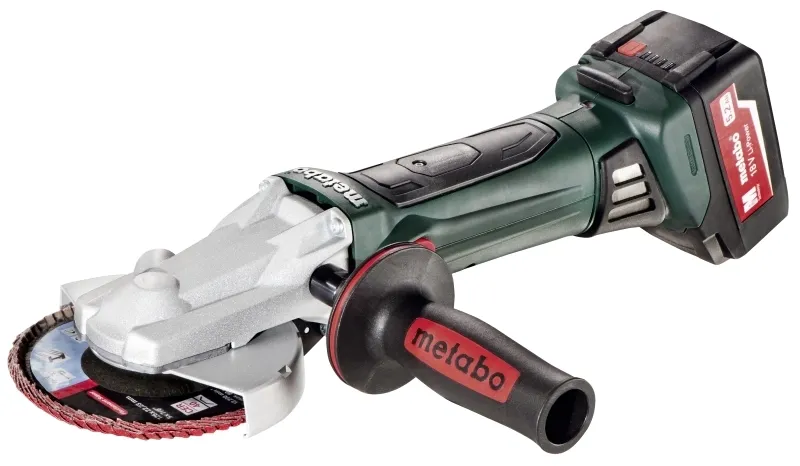
A 110V transformer is not a power plan. Before you add another grinder, saw or extractor to the kit list, work out where it will run, what it will pull at start-up and how far the cable has to go. This is the blunt buying guide to 110V and 240V stone tools in a UK shop.

Old Walls, New Tools: Buying for Listed Stonework Without Paying for 'Heritage' Hype

Old Walls, New Tools: Buying for Listed Stonework Without Paying for 'Heritage' Hype

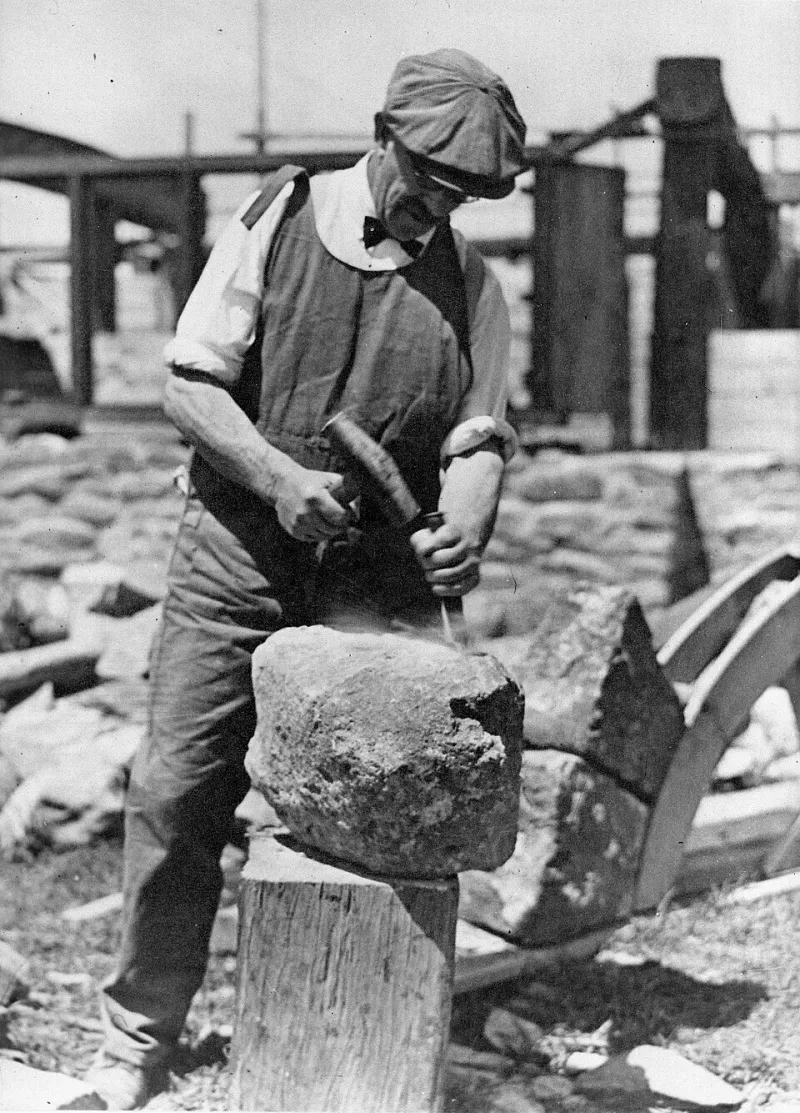
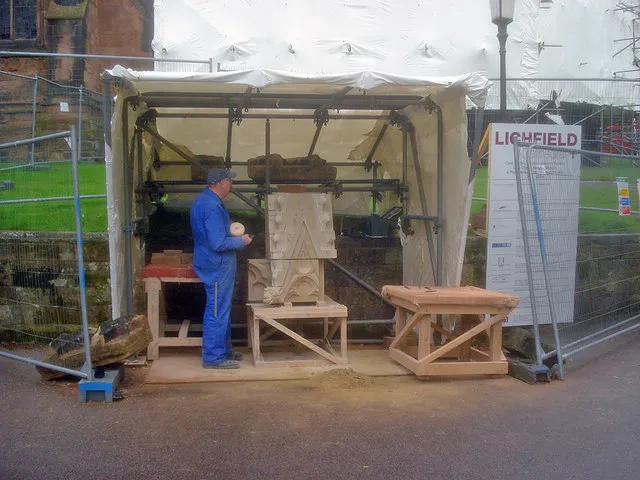
Listed churches, cottages and boundary walls ask different questions of stone tools: access is awkward, the material is unforgiving and the wrong bit can do expensive damage. This buying guide covers chisel profiles, reversible tooling, low-vibration preparation, dust control compatibility and where standard trade-grade kit is genuinely fine.

A Stonemason’s Van Kit for Wet, Cold and Crooked British Sites

A Stonemason’s Van Kit for Wet, Cold and Crooked British Sites

Building a trade-grade stone tool kit in the UK is not about buying the longest list. It is about choosing the twelve tools that cope with damp, frost, heritage masonry and tight access — and knowing where to spend and where to save in 2026.